01
Catalogue Migration
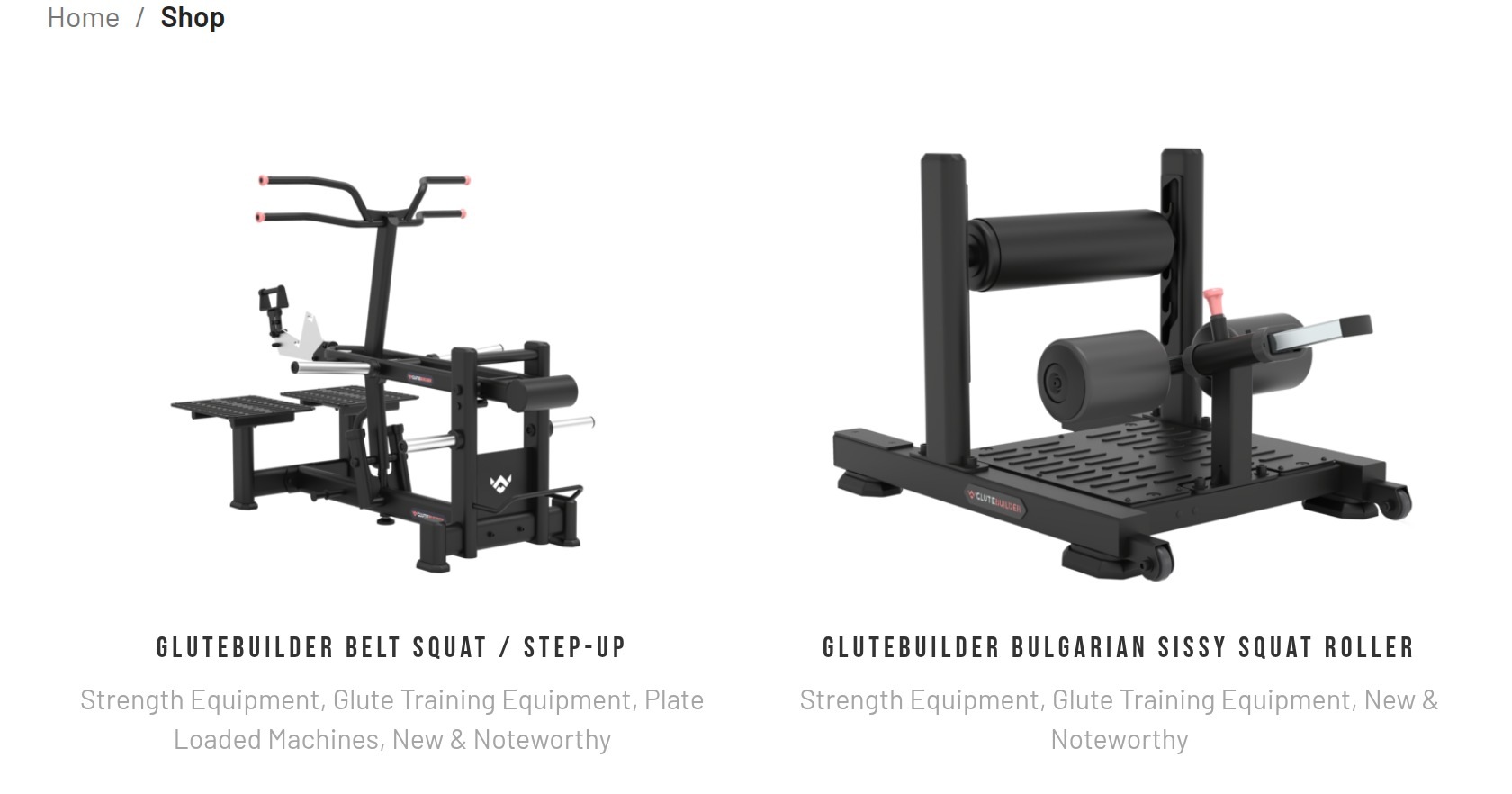
Every product rebuilt in WooCommerce with a stable SKU scheme, so re-imports update records instead of duplicating them.
Beyond the Basics Fitness had two decades of commercial equipment expertise sitting behind a CMS that was glitchy enough that nobody wanted to touch it. We rebuilt the whole catalogue as a searchable, filterable system their team actually runs.
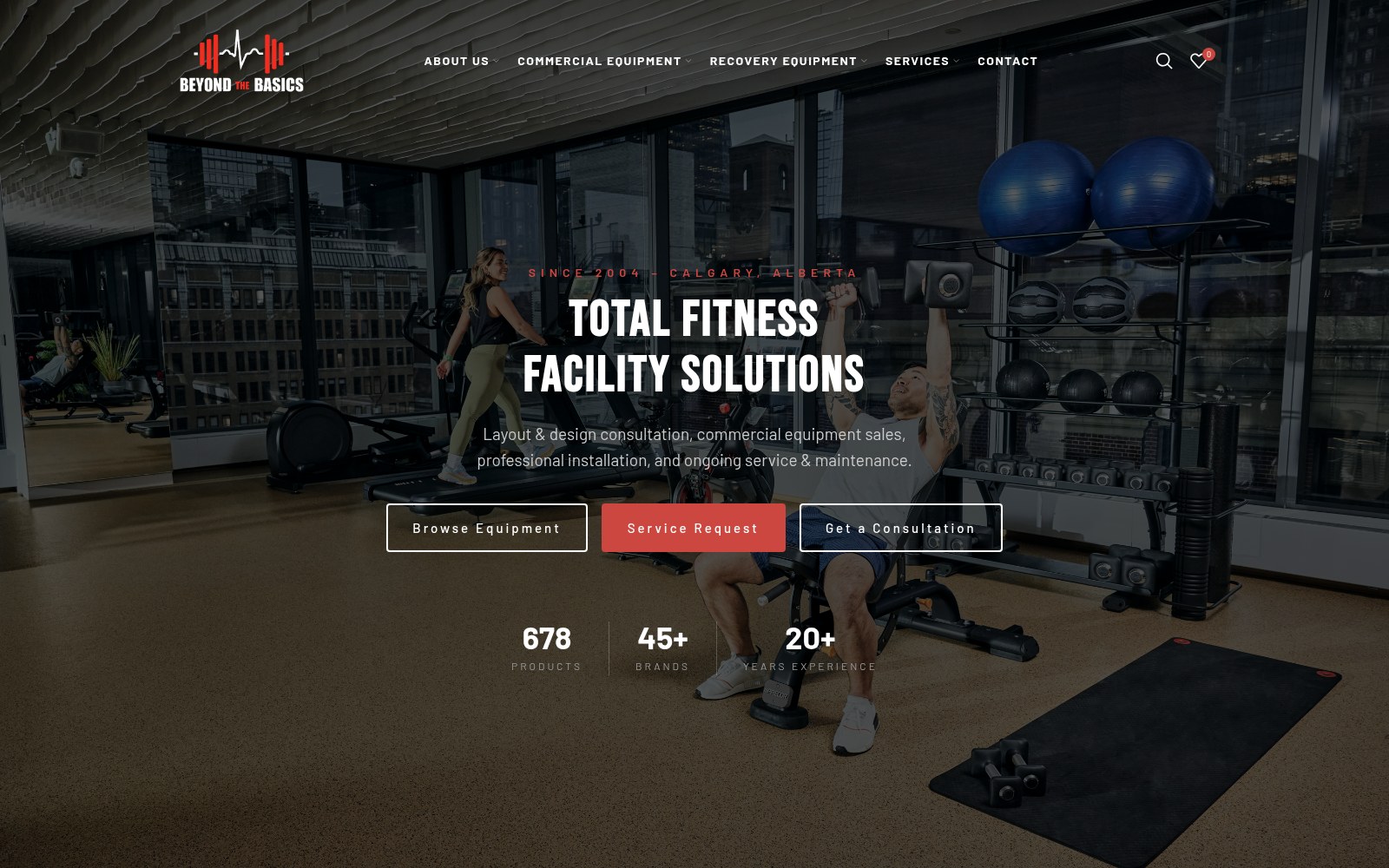
Beyond the Basics Fitness has outfitted gyms, hotels, corporate facilities, condo buildings and training studios across Alberta since 2004. They do layout and design consultation, commercial equipment sales, installation, and ongoing service and maintenance.
It is a considered, consultative sale. A client is not adding a leg press to a cart. They are planning a facility, balancing budget against floor space, and asking which machines suit their members. The website has to support that conversation rather than try to replace it.
The previous site had a content management system, but it was glitchy and awkward enough that using it became a job people avoided. Adding a machine or correcting a spec was slow and unreliable, so in practice the catalogue drifted out of date.
On the visitor side, there was no way to search or filter hundreds of machines, and nothing connecting a browsing session to a sales conversation.
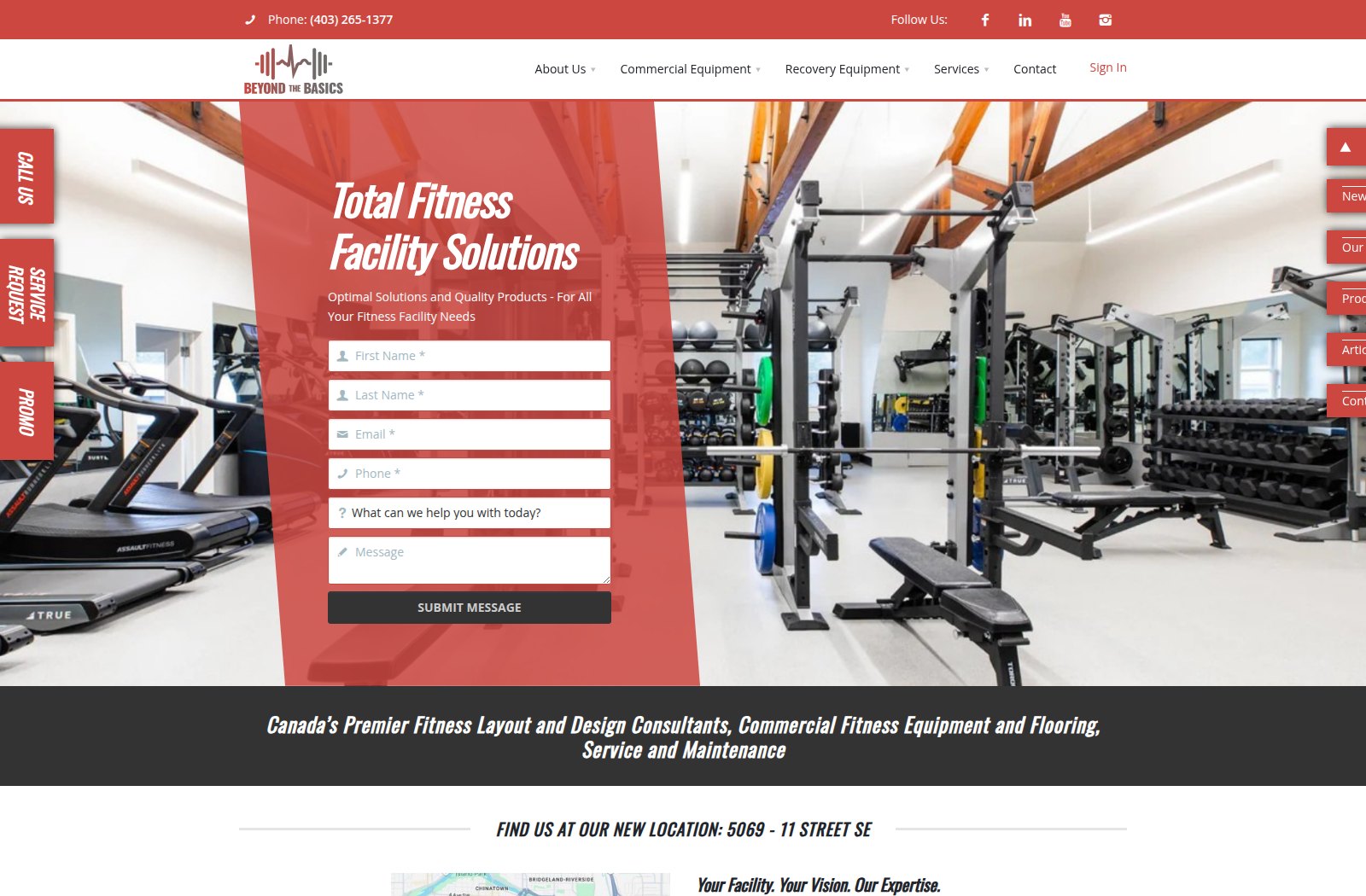
Every product rebuilt in WooCommerce with a stable SKU scheme, so re-imports update records instead of duplicating them.
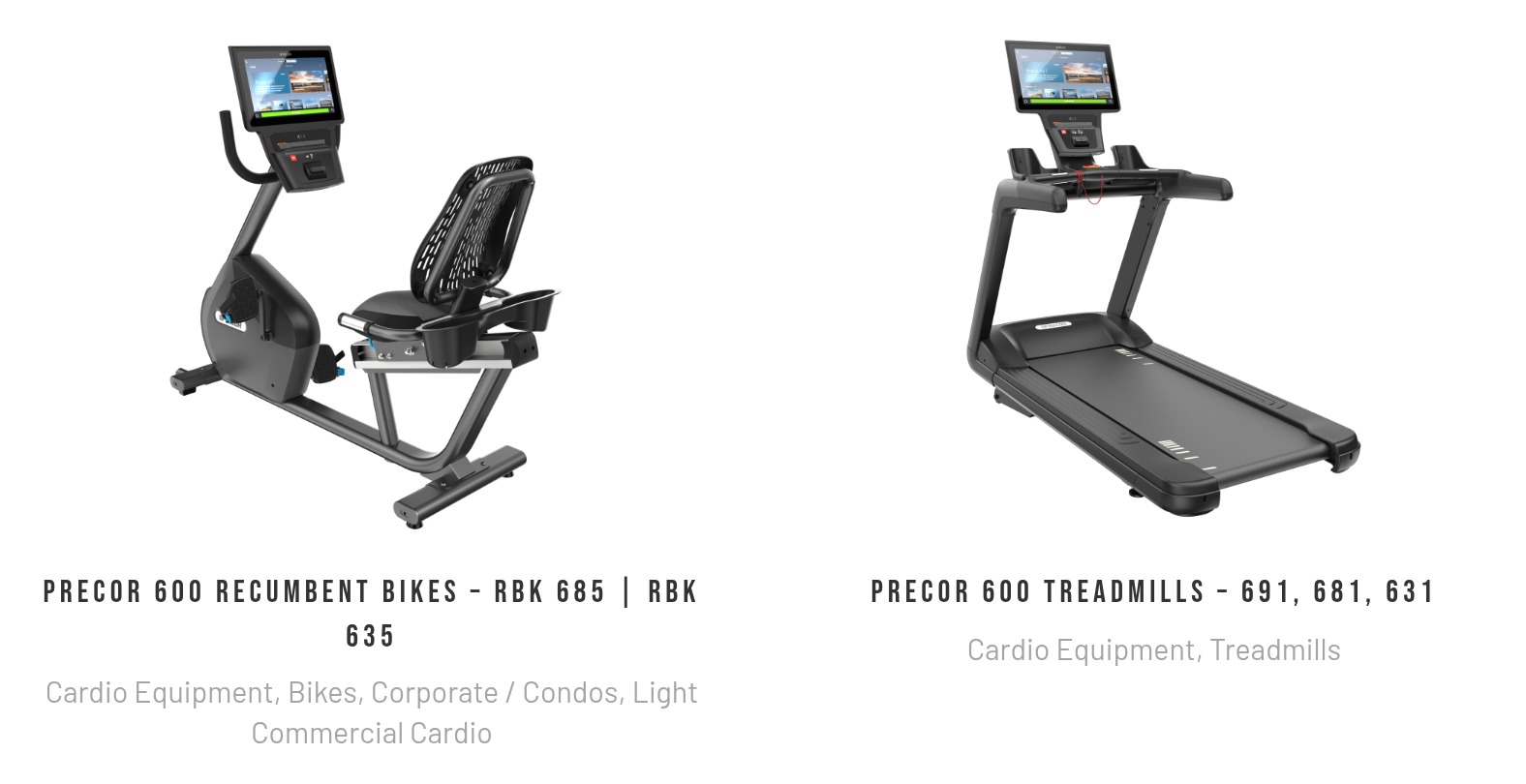
42 categories and 181 tags applied across the range, including AI-assisted tagging to fill gaps the original data never had.
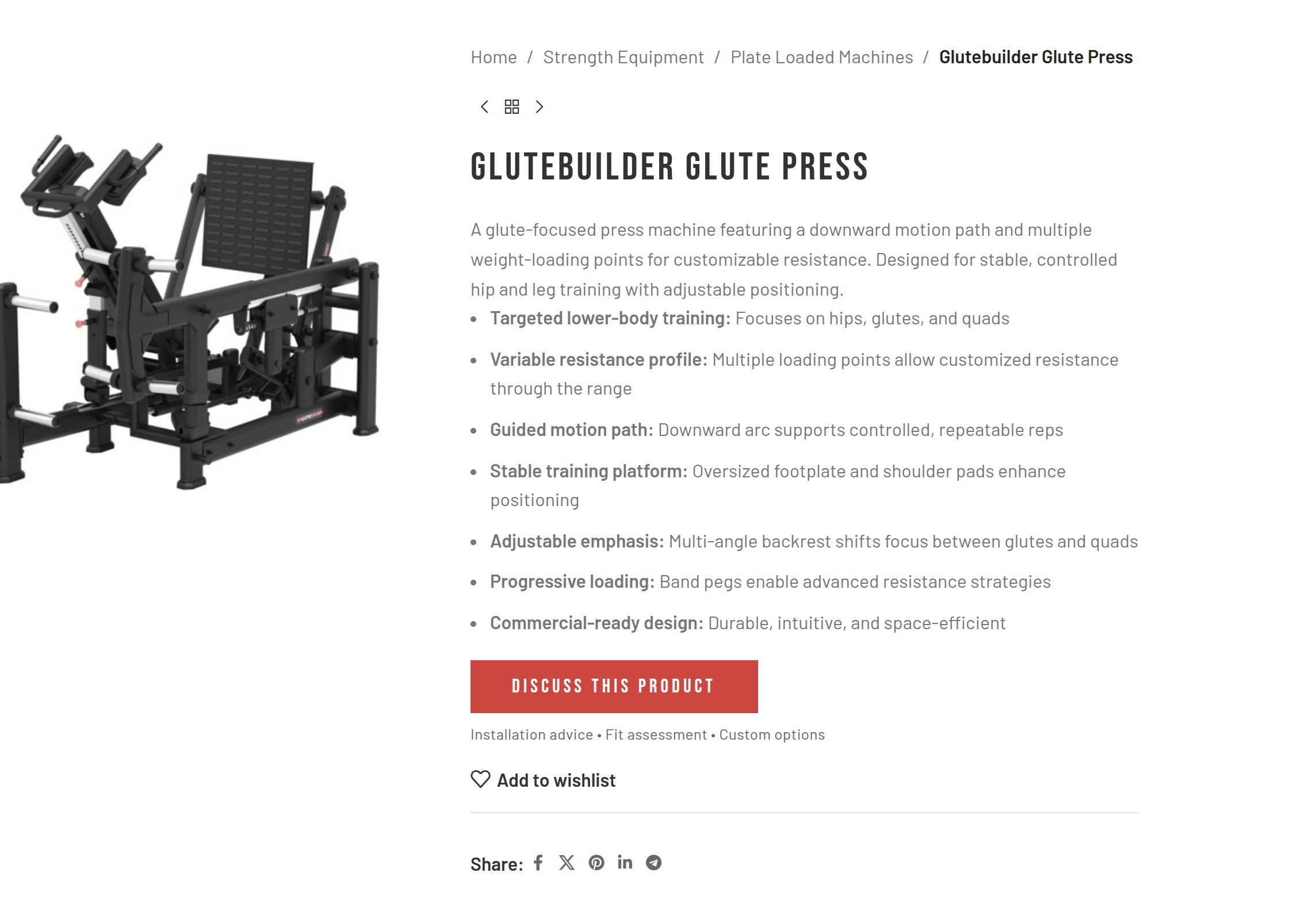
Cart, checkout and pricing removed. Product pages end in a consultation request, because configuration and volume decide the price.
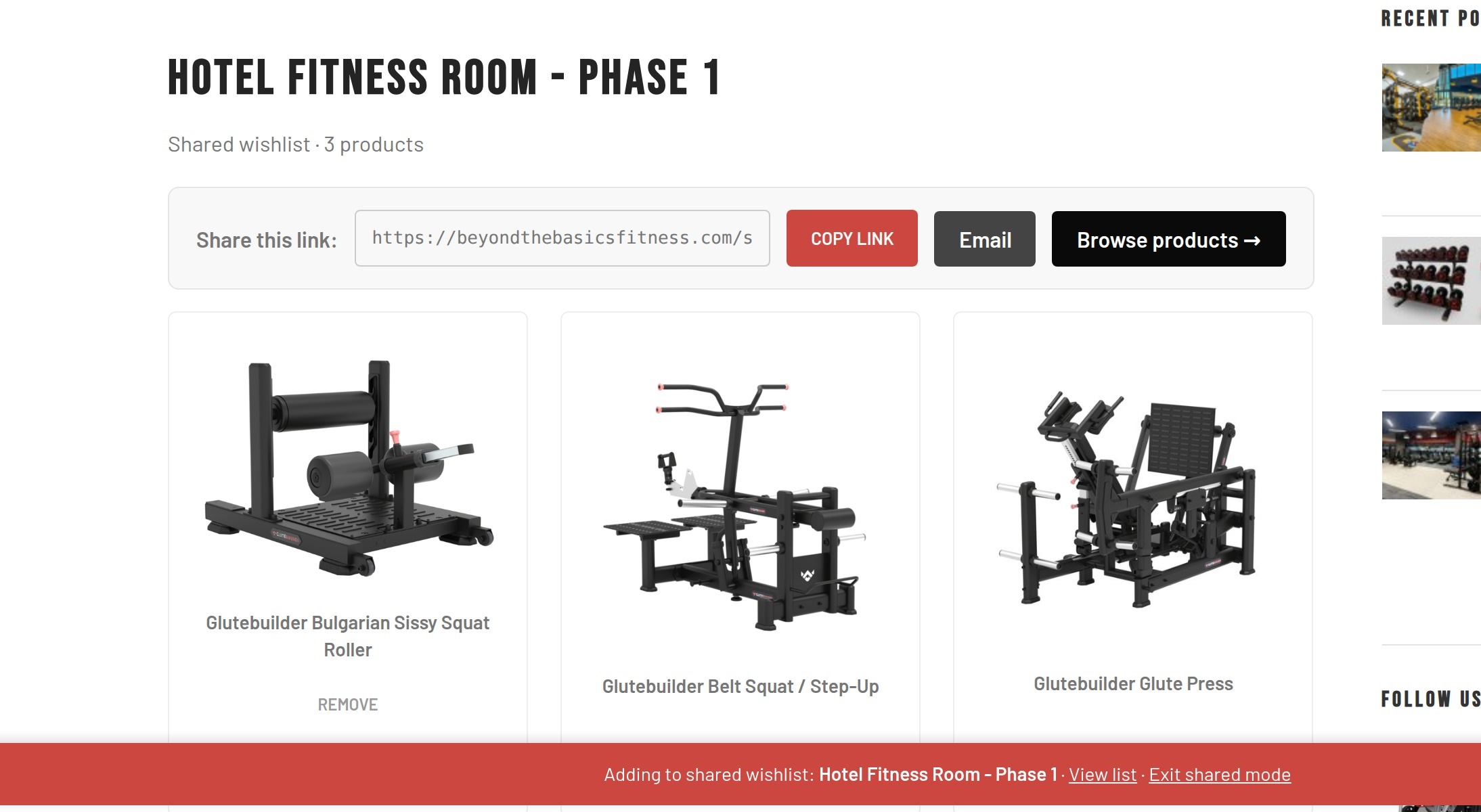
Private, unguessable links that let a facility manager, their GM and their trainer build one equipment list together from different devices.
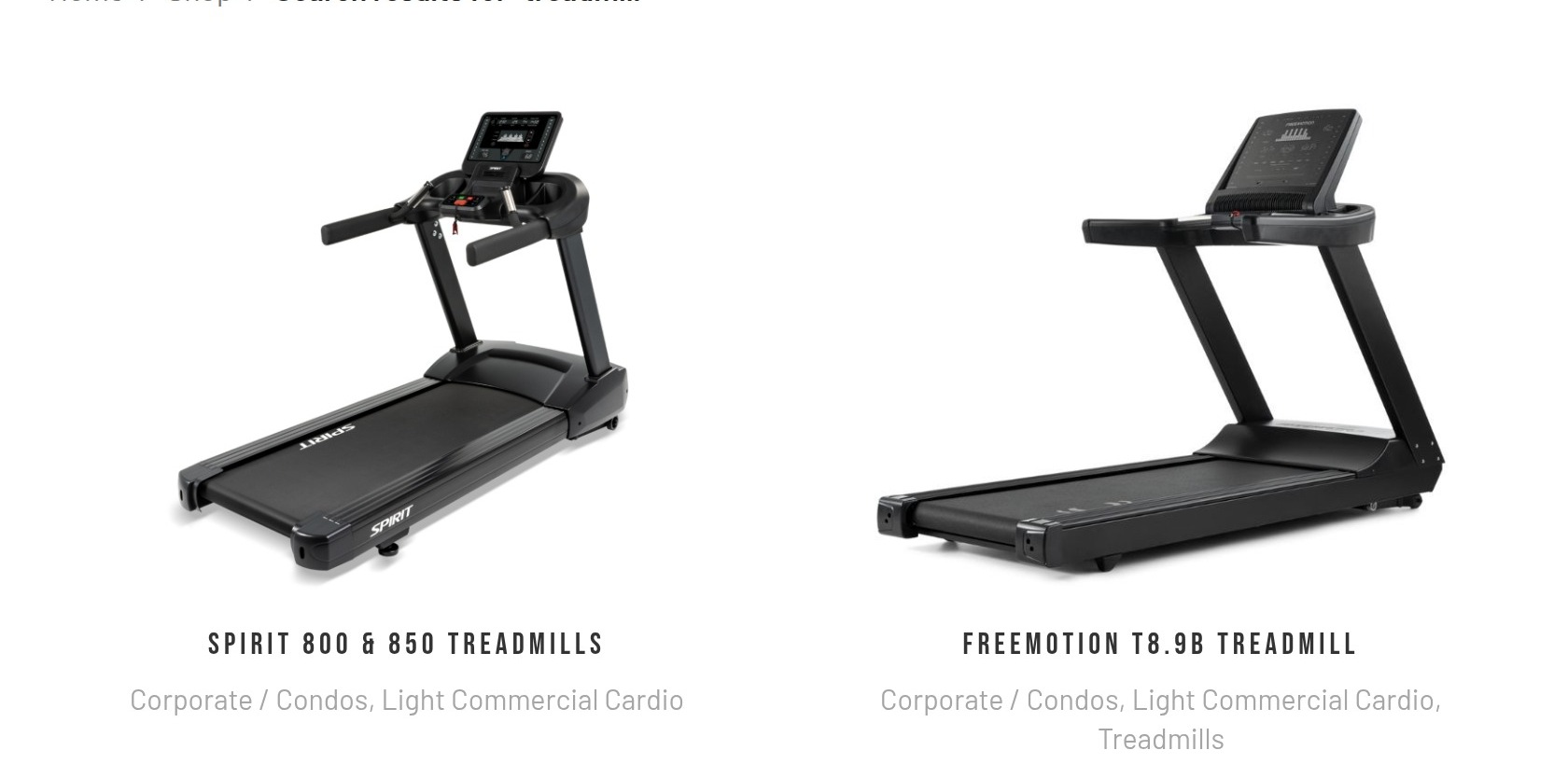
Typo-tolerant search across product names, specs and model numbers, so a half-remembered machine name still finds the right page.
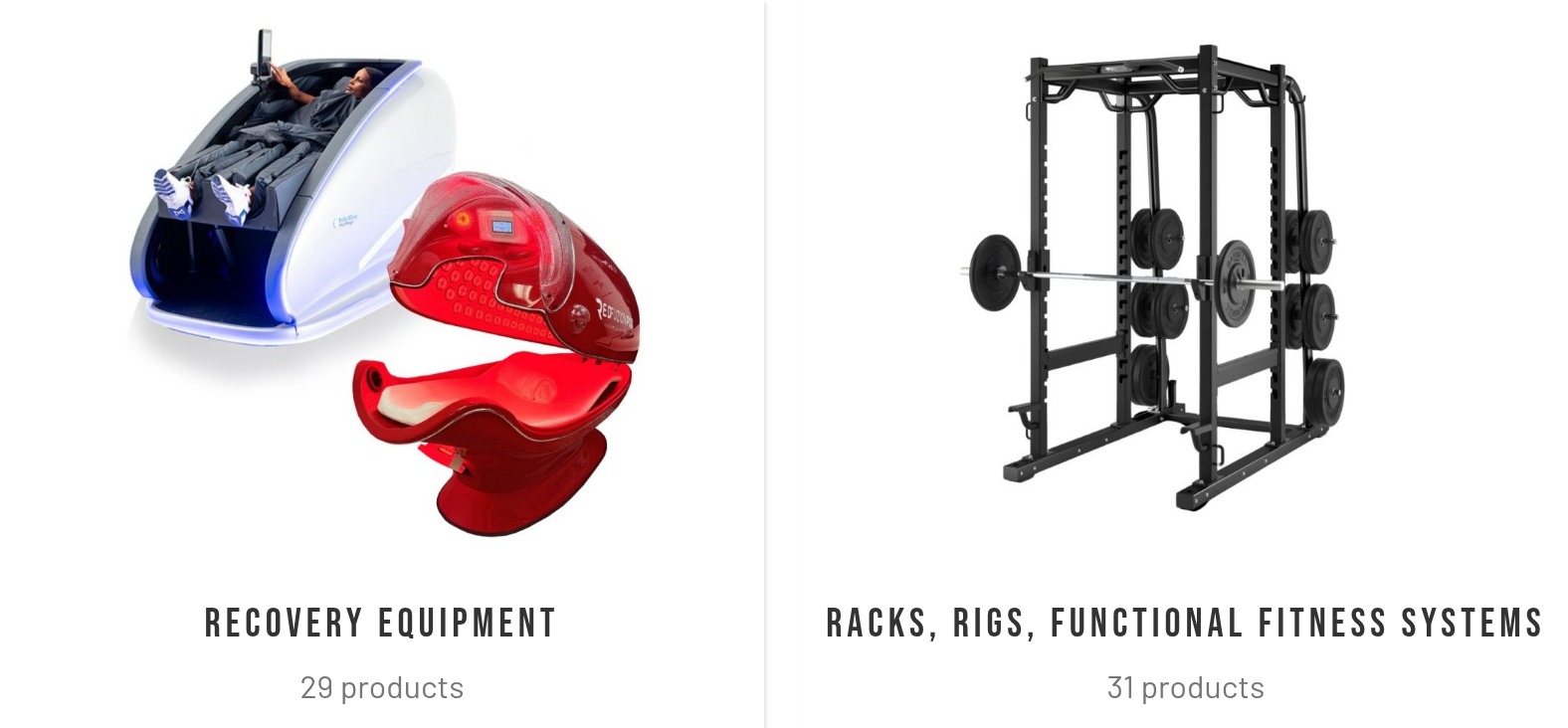
1,447 legacy URLs mapped to their new destinations, plus 49 articles carried across with their images intact.
Rather than carry the old system's quirks forward, we rebuilt the data from the published site, reading it page by page, then reassembling it as a catalogue with real relationships between products, images, brands and categories.
Read the full published catalogue, pulling names, descriptions, specifications, imagery and breadcrumb categories back out into structured records.
Collapsed pages that described the same machine and assigned every product a stable SKU so future imports update rather than duplicate.
Filled the gaps the old site never had: categories for products that had none, plus 181 descriptive tags generated and reviewed across the range.
Mapped 1,447 old URLs to their new homes so existing rankings and inbound links kept working on launch day.
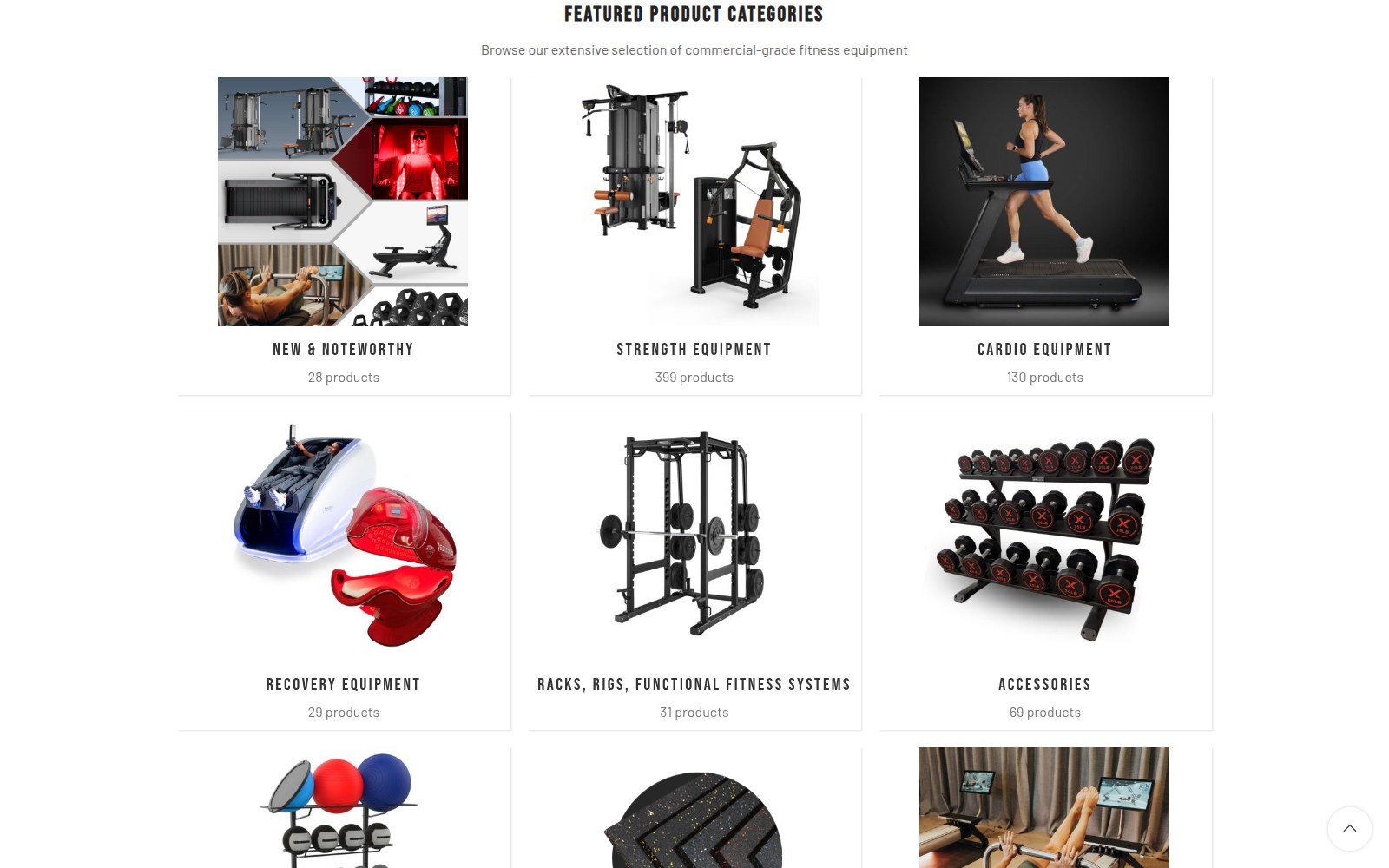
The rebuilt site opens on a hero that alternates between photography and video of real installations, then sends visitors into a catalogue organised the way their buyers actually think: by zone, by category, by brand.
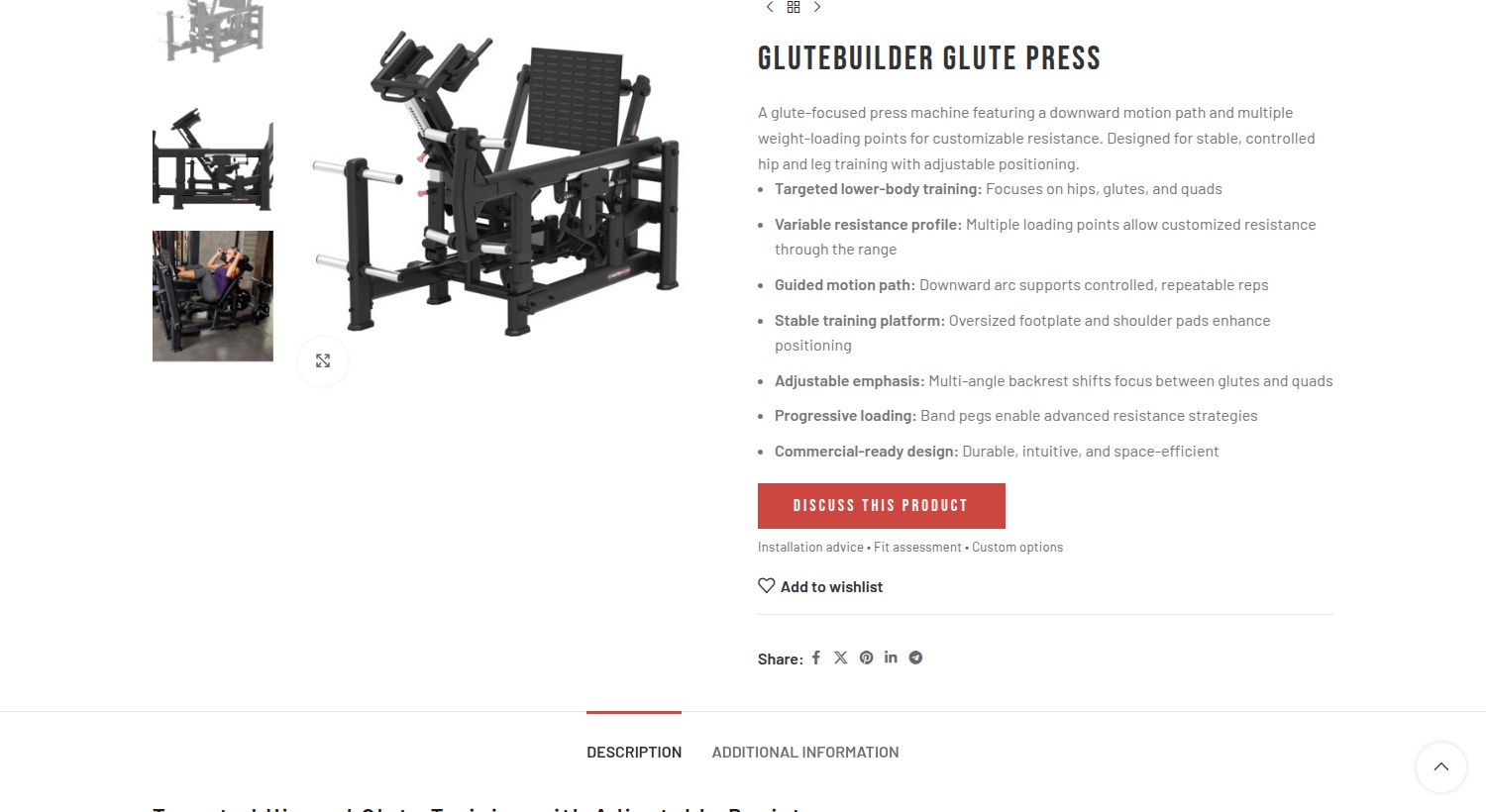
Every product page carries structured specifications and ends in a conversation, not a checkout. The whole experience is designed to get a qualified enquiry into the sales team's inbox with the equipment context already attached.
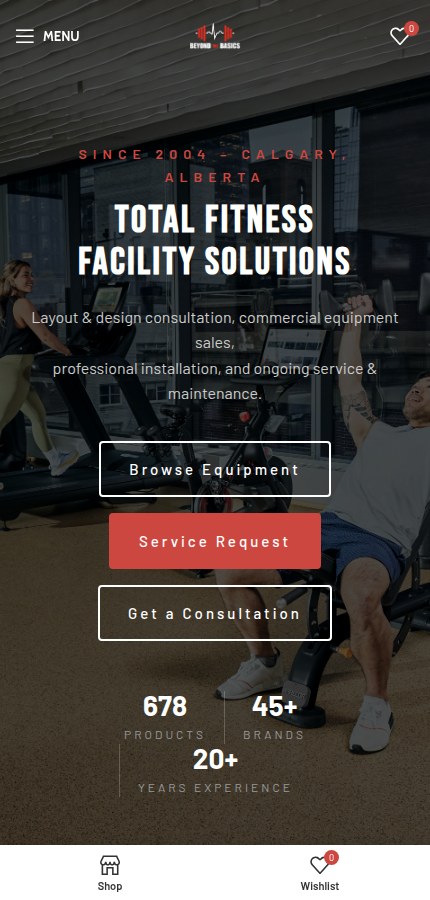
Website rebuild, migration and development by Uncommon Marketing Agency.
All 678 products are browsable, filterable and searchable. The range is the site's main asset, so it leads.
No prices, no cart. Product pages route to a consultation request that carries the equipment details with it.
Their marketing manager adds products, builds categories and publishes articles without needing a developer.
WooCommerce gave us the catalogue structure Beyond the Basics needed: variations, attributes, categories, search, filtering. What it also gave us was a shopping cart nobody wanted.
Commercial equipment pricing depends on configuration, volume, installation and service terms. A public price would be wrong for almost every buyer. So we stripped the storefront back to no cart, no checkout and no prices, then replaced every “add to cart” with a route into a real conversation.
Nobody outfits a facility alone. A hotel GM, their operations lead and a fitness consultant all have opinions, and they are rarely at the same desk.
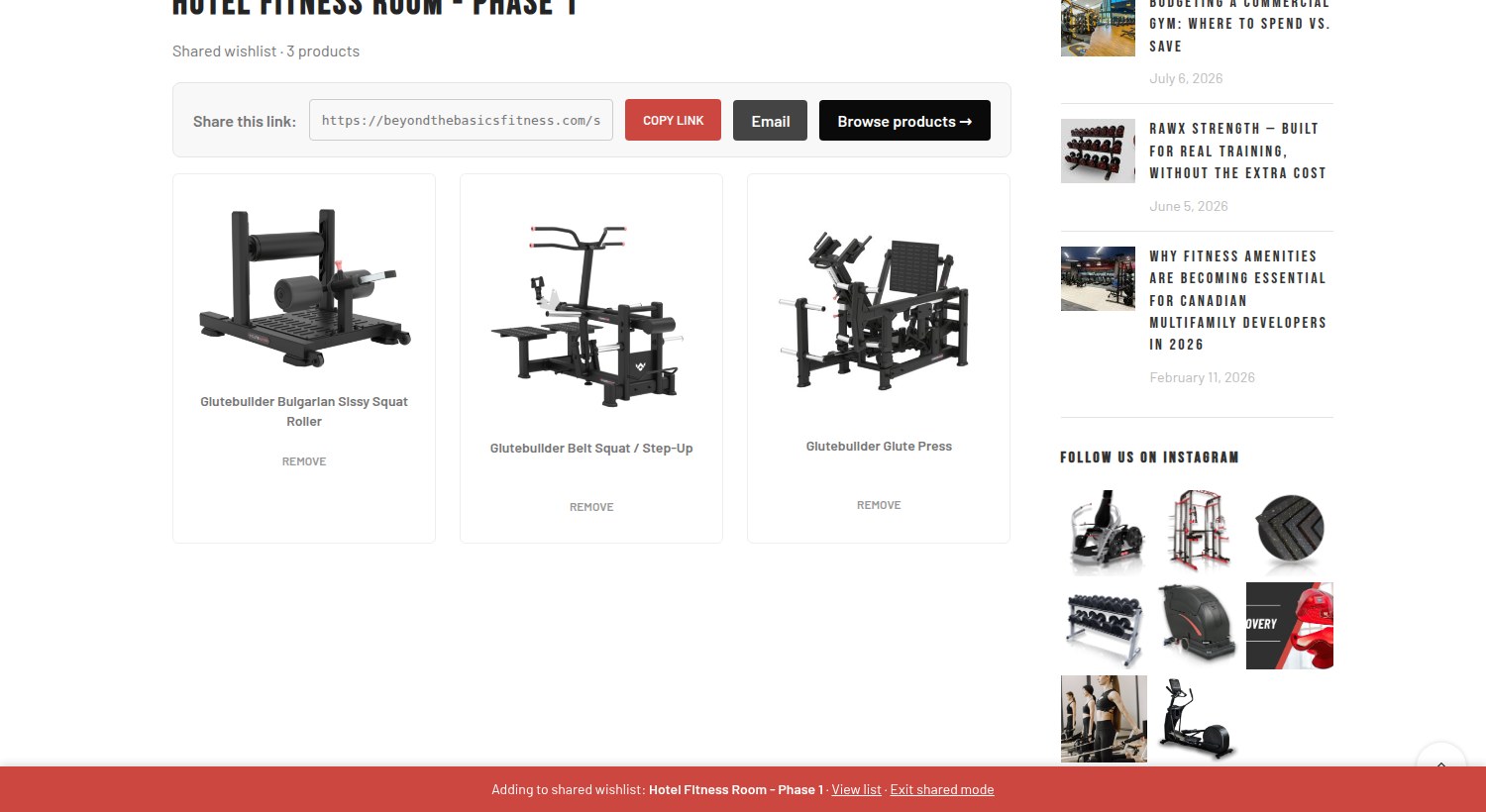
We built a shared wishlist system on top of the catalogue. Anyone can create a named list, get a private link with an unguessable token, and send it on. Everyone who opens that link adds to the same list from their own browser, and the list persists. Bot protection keeps it clean, and the pages stay out of search results.
When the list is ready, one click hands the whole thing to the sales team with every product attached, so the first conversation starts with the equipment already on the table.
Shortly after launch the site started timing out. It was not traffic. It was aggressive commercial crawlers hammering every one of the 678 product pages at once and starving the server of PHP workers.
We blocked the offending crawlers at the web server, widened the worker pool, and put full-page caching in front of the whole catalogue. Cached pages now typically return in well under 100 milliseconds, and the protection was rolled out across every site on that server rather than just this one.
Beyond the Basics Fitness moved from tooling nobody wanted to use to a managed catalogue their marketing manager updates herself, on infrastructure that holds up under load.
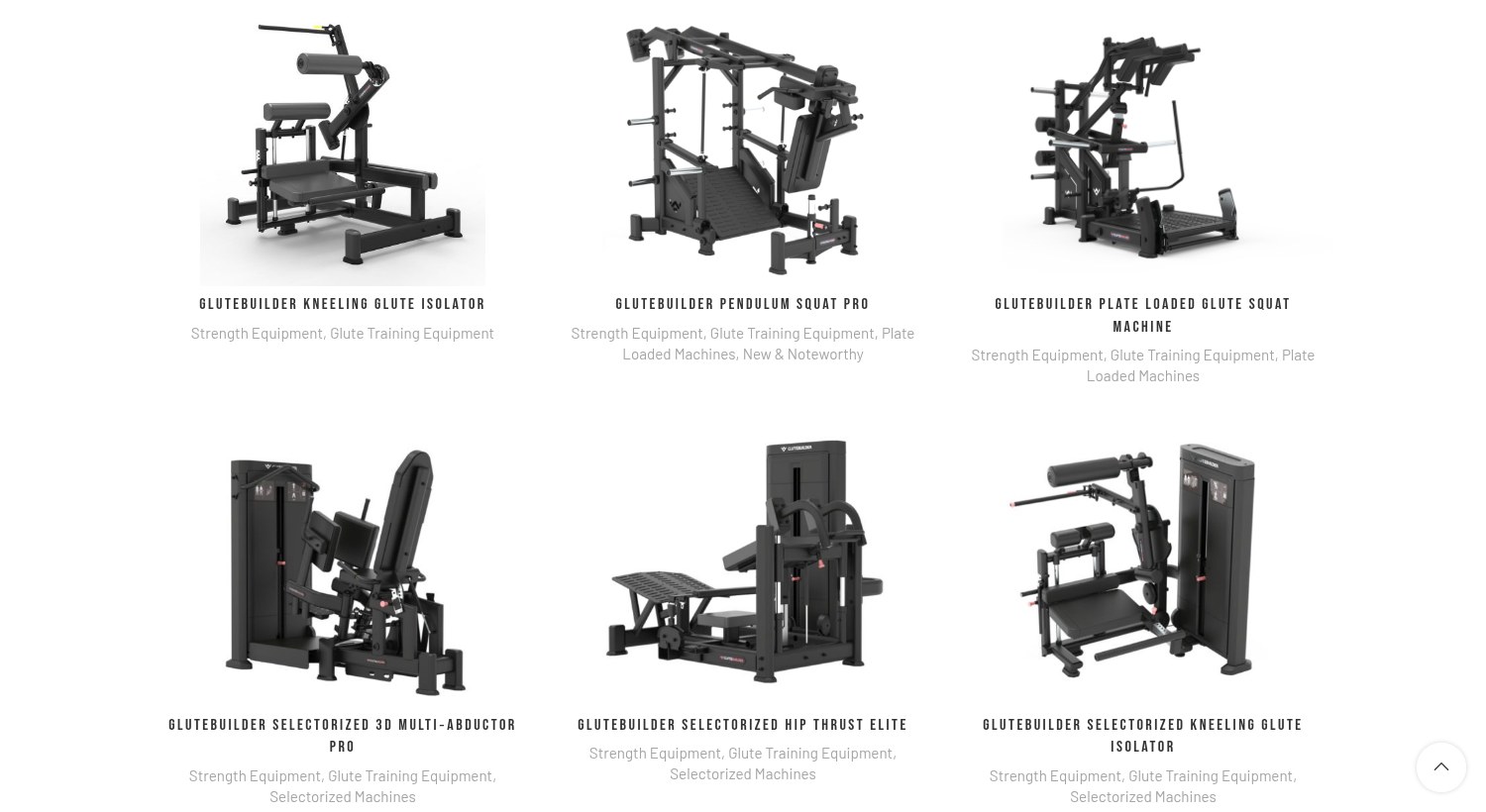
A rebuild is only worth it if the client can keep it moving. Their team has role-based access, a trimmed-down admin that hides everything they do not need, and the ability to create categories, publish products and run the blog on their own.
Additions to the homepage since launch have been driven by their marketing manager, built around a category she created herself, which is exactly the point.
Beyond the Basics Fitness never had a knowledge problem. They had a delivery problem. Once the catalogue became something people could search, filter, share and enquire about, two decades of experience finally had somewhere to land.
We migrate, rebuild and modernise catalogue sites, then hand them back to teams who can actually run them.